
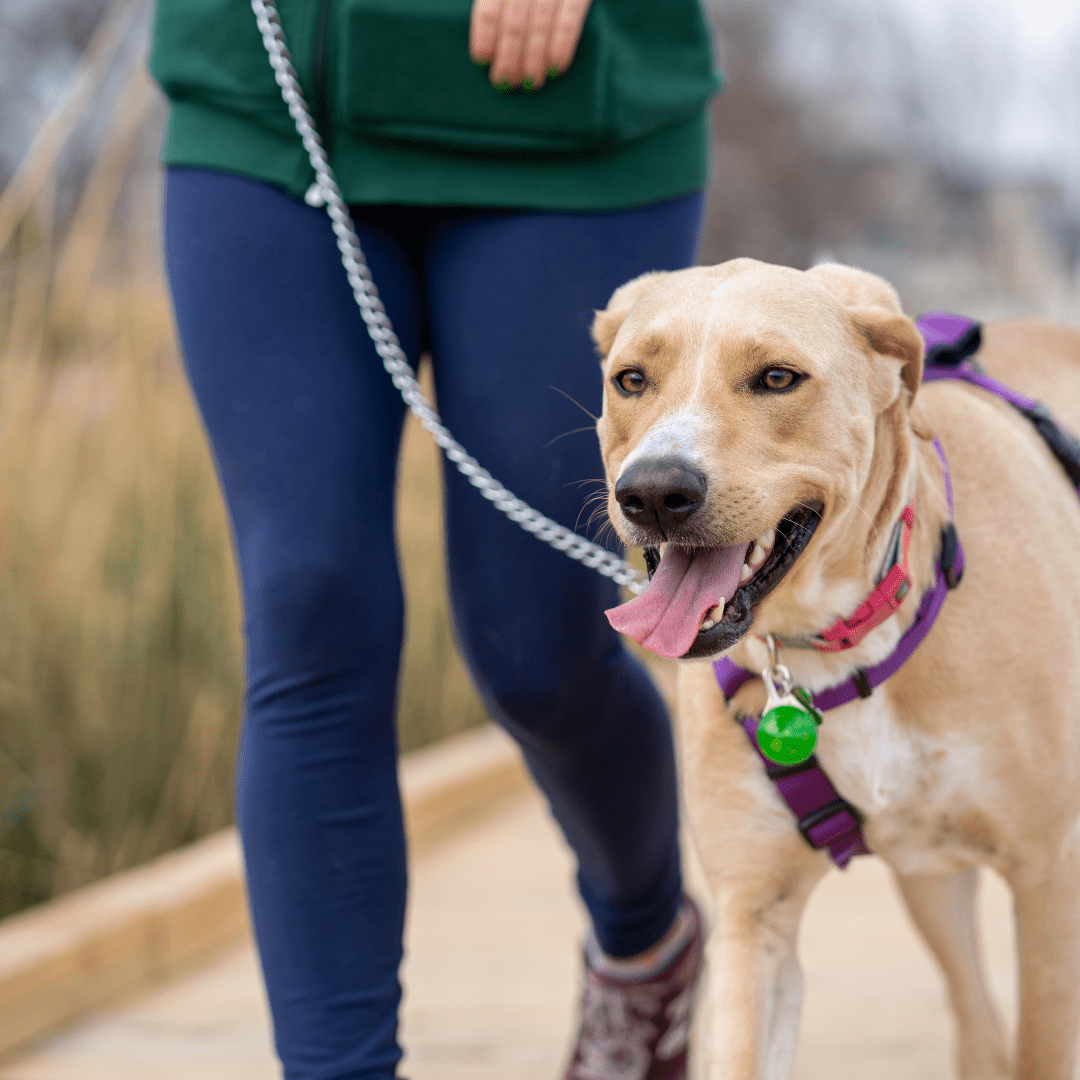
Walking your dog might seem like a simple routine, but it plays a crucial role in maintaining their mental well-being. It’s more than just a physical exercise—it’s a mental and emotional necessity that contributes significantly to your dog’s happiness and overall health. Let’s explore why regular walks are essential for your dog’s mental well-being.
Mental Stimulation
Exploring New Environments
Dogs are naturally curious creatures with an innate desire to explore their surroundings. A walk provides a wealth of new scents, sights, and sounds that stimulate their minds. This sensory enrichment is vital for their mental health, keeping them engaged and preventing boredom.
Preventing Boredom
Boredom in dogs can lead to destructive behaviors such as chewing, digging, and excessive barking. Regular walks offer a variety of stimuli that keep your dog’s mind occupied and reduce the likelihood of these behaviors. An engaged dog is a happy dog.
Socialization
Interacting with Other Dogs
Walking your dog exposes them to other dogs, which is crucial for their social development. Regular interaction with other dogs helps them learn appropriate social behaviors, reducing fear and aggression. Well-socialized dogs are generally more confident and well-adjusted.
Meeting New People
Encounters with different people during walks also enhance your dog’s social skills. These interactions teach your dog to be comfortable around strangers and can reduce anxiety and fear in new situations. A well-socialized dog is typically more relaxed and friendly.
Bonding and Security
Strengthening the Human-Dog Bond
Walks are an excellent opportunity for you to bond with your dog. Spending quality time together without the distractions of daily life strengthens your relationship and builds trust. This bond is crucial for your dog’s sense of security and overall happiness.
Pack Mentality
Dogs are pack animals and walking with you reinforces their sense of belonging to the pack. This shared activity makes them feel secure and valued, which is essential for their mental well-being. A dog that feels secure is less likely to develop anxiety-related behaviors.
Alleviating Anxiety and Stress
Routine and Predictability
Dogs thrive on routine, and regular walks provide a predictable structure that can reduce anxiety. Knowing when to expect a walk can help your dog feel more secure and less stressed. Consistency is key to a happy and well-adjusted dog.
Natural Stress Relief
Physical activity, such as walking, naturally reduces stress and anxiety by releasing endorphins. These “feel-good” hormones improve your dog’s mood and overall mental state. A tired dog is a relaxed dog, less prone to anxiety and behavioral issues.
Behavioral Benefits
Reducing Hyperactivity
Regular walks help manage your dog’s energy levels, making them less hyperactive at home. This can lead to better behavior and a calmer household environment. A well-exercised dog is more likely to rest quietly and exhibit fewer behavioral problems.
Teaching Good Behavior
Walking provides an opportunity to practice obedience and reinforce good behavior. Commands like “sit,” “stay,” and “heel” can be practiced during walks, contributing to your dog’s mental discipline and reinforcing positive behaviors.
Tips for Enhancing Your Dog’s Walking Experience
Consistent Routine
Establish a regular walking schedule that fits into both your lives. Dogs thrive on routine, and having a set time for walks can help them feel more secure and less anxious.
Variety and Enrichment
To keep things interesting, vary your walking routes and include different environments like parks, trails, and neighborhoods. New experiences provide mental stimulation and keep your dog engaged and excited about their walks.
Safe and Comfortable Gear
Ensure your dog has a comfortable collar or harness and a sturdy leash. Depending on the weather, consider additional gear like a raincoat or reflective accessories for evening walks. Safety and comfort are paramount for an enjoyable walking experience.
Conclusion
Walking your dog is a simple yet profoundly beneficial activity that is essential for their mental well-being. It provides mental stimulation, socialization, bonding opportunities, and stress relief, all of which contribute to a happier, healthier dog. So, grab that leash, step outside, and embark on a journey that enriches both of your lives. Happy walking!
With over 20 years of extensive experience in animal care, Cindy Quigley is a seasoned expert dedicated to the well-being of pets. A multifaceted professional, Cindy is currently a professional pet sitter. She has worked as a veterinary technician, dog trainer, and dog groomer, bringing a wealth of knowledge and compassion to every role. For 15 years, she owned and operated Super Mutts Canine Retreat, a premier facility offering boarding, grooming, daycare, training, and boarding school services.
As the author of “Puppy Montessori,” a comprehensive puppy training program available on Amazon, Cindy shares invaluable insights and proven techniques to help pet owners raise well-behaved and happy puppies. Through this blog, she continues to provide expert advice, practical tips, and heartfelt stories to guide fellow pet lovers in nurturing their furry companions.
 Pet Sitting by Cindy