

Leaving your dog with a pet sitter can be a daunting experience for both you and your furry friend. However, with proper preparation, you can ensure that your dog remains calm and comfortable in your absence. In this blog post, we’ll discuss the benefits of leaving your dog without nervous energy and provide practical tips on how to create a calm environment when you leave.
The Benefits of Leaving Calmly
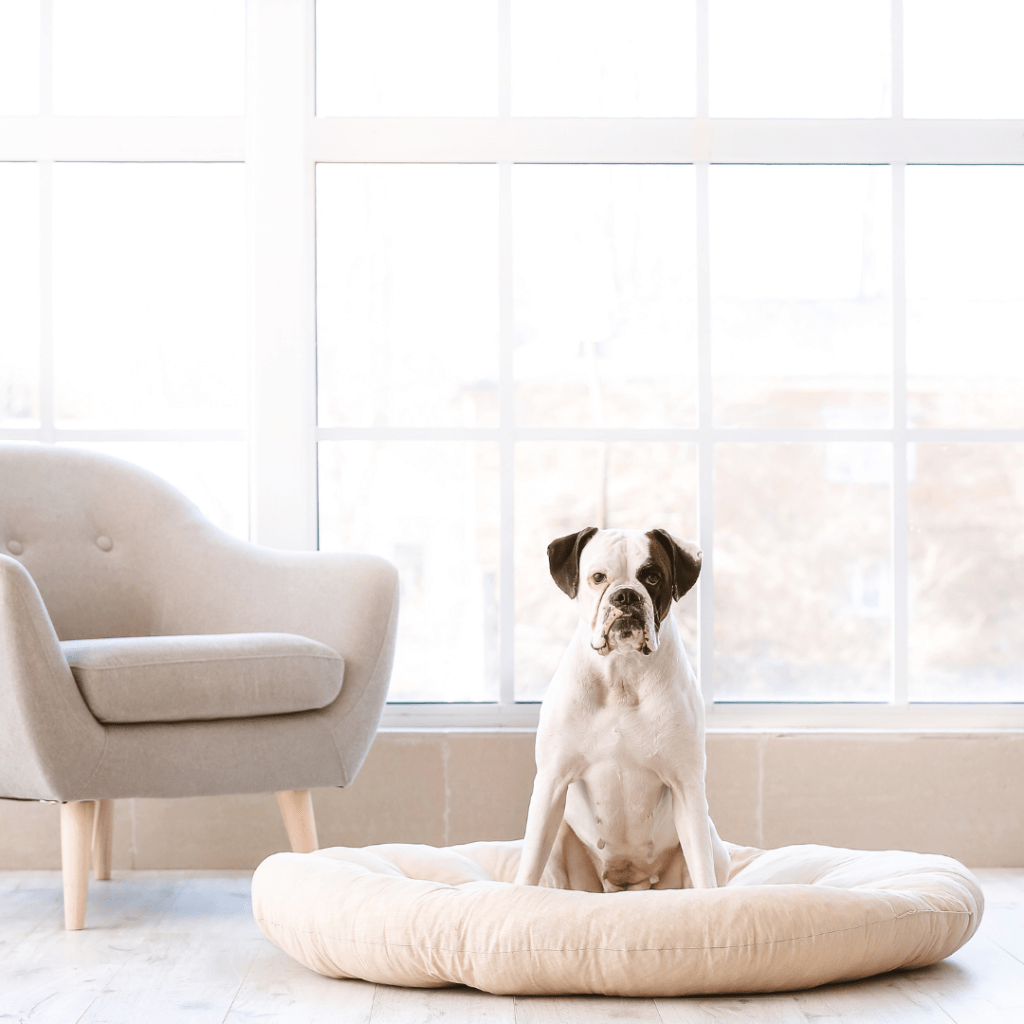
Reducing Stress and Anxiety
When you leave your dog in a calm state, it significantly reduces their stress and anxiety. Dogs are incredibly perceptive and can pick up on your emotions. If you are anxious or stressed, your dog will likely mirror these feelings. A calm departure helps your dog feel secure and reduces the risk of anxiety-related behaviors such as barking, whining, or destructive chewing.
Easier Adjustment for the Pet Sitter
A calm dog is easier for the pet sitter to manage. When your dog is relaxed, they are more likely to follow their usual routine and be receptive to the sitter’s care. This makes the experience more enjoyable for both the sitter and your dog, ensuring that your dog receives the best possible care in your absence.
Positive Association with Your Absence
Creating a calm environment when you leave helps your dog form a positive association with your absence. If your dog remains relaxed, they are more likely to view your departure as a normal part of their routine rather than a distressing event. This positive association can make future separations easier for both of you.
Preparing Your Dog for a Pet Sitter
Gradual Acclimation
Introduce your dog to the pet sitter gradually. Arrange a few short visits before the actual sitting period so your dog can get used to the new person. Allow the sitter to interact with your dog in your presence to build trust and familiarity. This gradual acclimation helps your dog feel more comfortable when the sitter is alone with them.
Maintain a Consistent Routine
Dogs thrive on routine. Ensure that the pet sitter follows your dog’s regular schedule, including feeding times, walks, and playtime. Consistency helps your dog feel secure and reduces anxiety. Provide the sitter with detailed instructions about your dog’s routine, preferences, and any specific needs they might have.
Create a Comfortable Environment
Make sure your dog has a comfortable and familiar environment when you leave. Set up their favorite bed, toys, and blankets in a quiet area of the house. Familiar scents and objects can provide comfort and reassurance, helping your dog stay calm in your absence.
Practice Calm Departures
When you leave, avoid making a big fuss. Lengthy goodbyes and excessive attention can create nervous energy. Instead, practice calm departures by simply giving your dog a treat or toy and leaving without much fanfare. This teaches your dog that your departure is a normal, non-stressful event.
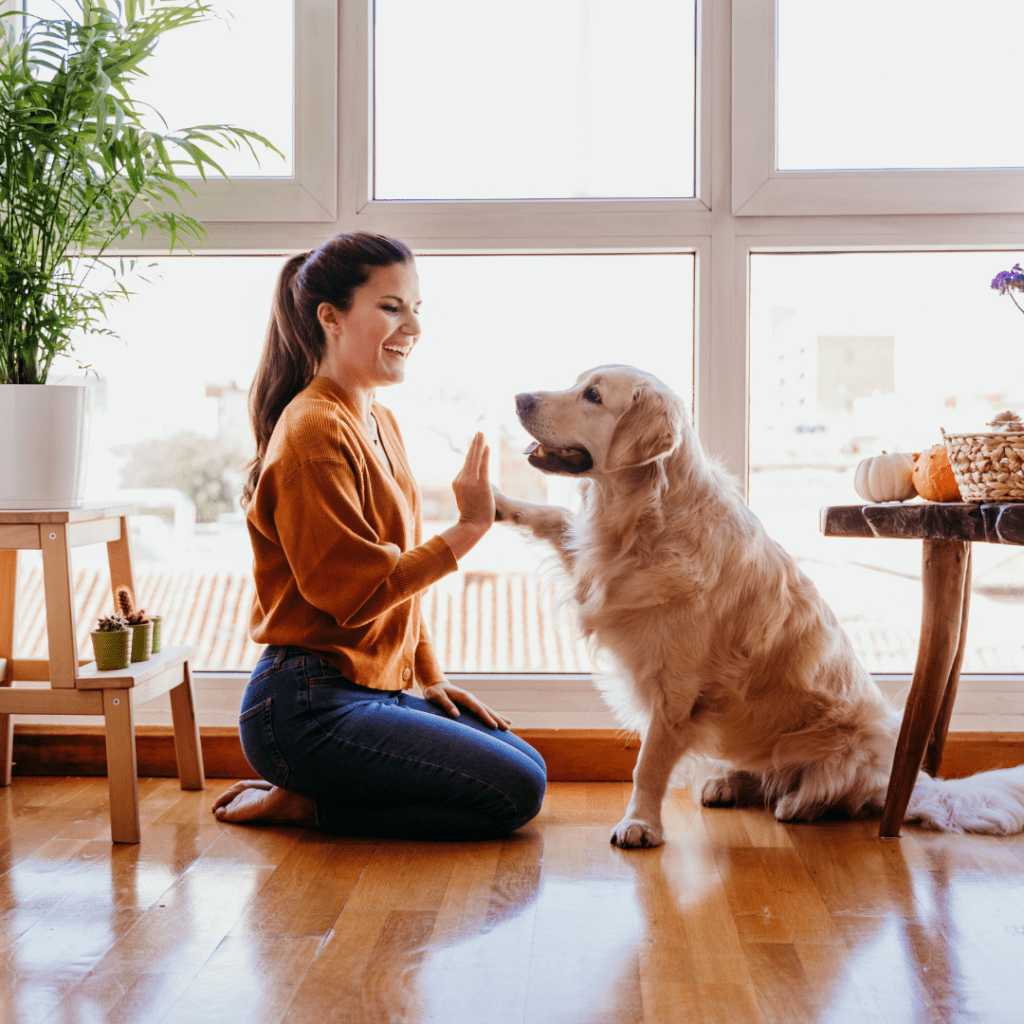
Use Positive Reinforcement
Reinforce calm behavior with positive reinforcement. Reward your dog with treats and praise when they remain calm as you prepare to leave. This encourages them to associate your departure with positive experiences, reducing anxiety over time.
Provide Mental Stimulation
Ensure your dog has plenty of mental stimulation during your absence. Interactive toys, puzzle feeders, and chew toys can keep them occupied and reduce boredom. A mentally stimulated dog is less likely to develop anxiety or engage in destructive behaviors.
Monitor and Communicate
Stay in touch with the pet sitter to monitor how your dog is adjusting. Regular updates and photos can provide peace of mind and allow you to address any concerns promptly. Communication helps ensure that your dog is receiving the care they need and that any issues are resolved quickly.
Conclusion
Preparing your dog for a pet sitter requires thoughtful planning and consideration, but the effort is well worth it. By leaving your dog in a calm state, you reduce their stress and anxiety, create positive associations with your absence, and ensure a smoother experience for the pet sitter. Gradual acclimation, maintaining a consistent routine, creating a comfortable environment, practicing calm departures, using positive reinforcement, providing mental stimulation, and staying in touch with the sitter are all crucial steps in preparing your dog for a pet sitter. With these strategies, you can ensure that your dog remains happy and relaxed, even when you’re not there.
Cindy Quigley is the dedicated owner of Pet Sitting by Cindy, bringing 23 years of professional pet care experience to her clients. Her lifelong passion for animals drives her commitment to providing exceptional care, ensuring every pet feels loved and secure in her care. Cindy’s expertise and genuine love for animals make her a trusted and reliable choice for pet sitting services in the Tulsa Oklahoma area.
Follow me!
 Pet Sitting by Cindy