10 Fun Indoor Activities For The Dog Days of Summer

When the dog days of summer make outdoor exercise too risky for your pet, it’s important to find ways to keep them engaged and active indoors. Mental stimulation is just as crucial as physical exercise for your pet’s well-being. Here are ten fun and enriching activities you can do with your pet indoors:

This post contains affiliate links. If you click on them and make a purchase, I will receive a small commission at no extra cost to you. This helps me continue creating content that I hope you will find interesting and beneficial.
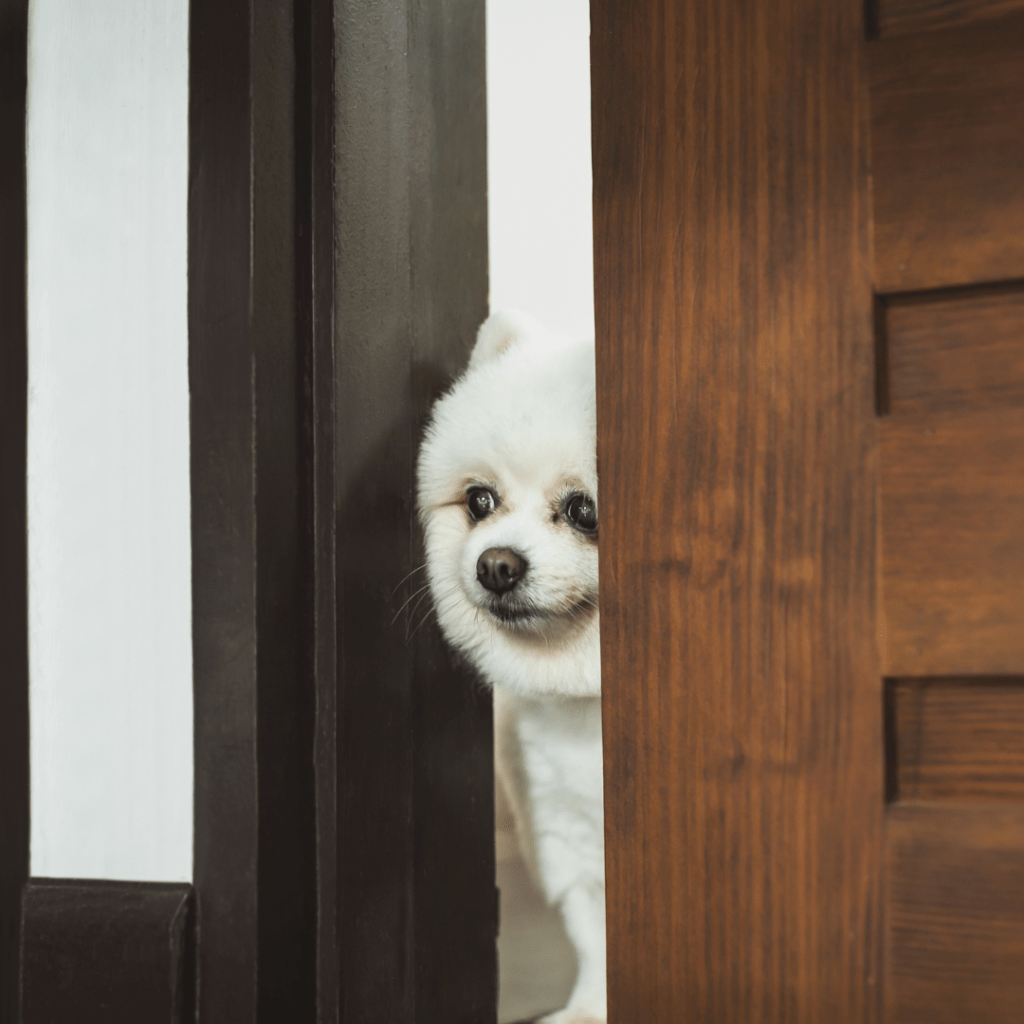
1.Hide and Seek

Hide and seek is a fantastic game to stimulate your pet’s mind and keep them active. Hide somewhere in your house and call your pet’s name. Reward them with treats and lots of praise when they find you. You can also hide their favorite toys or treats around the house for them to sniff out.

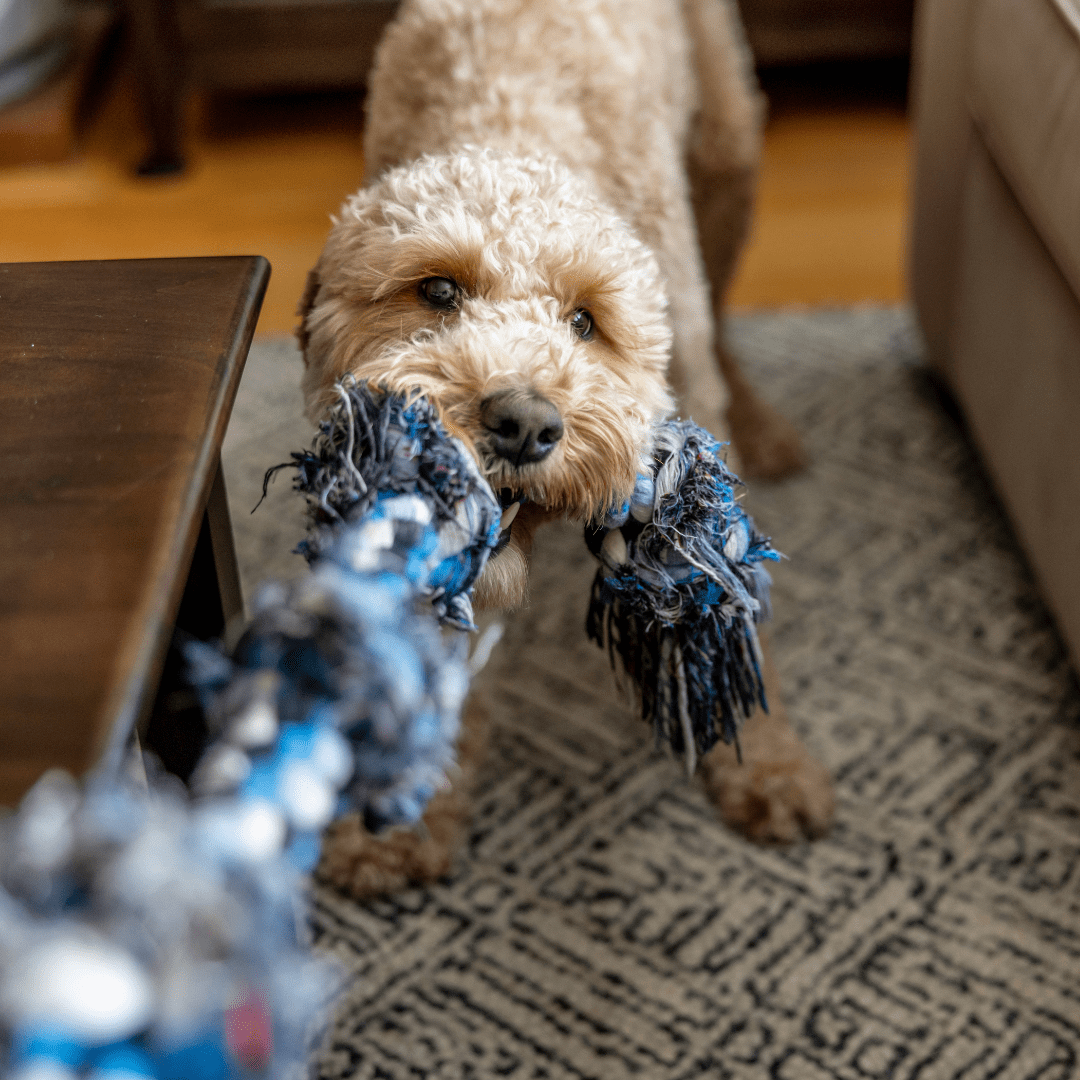
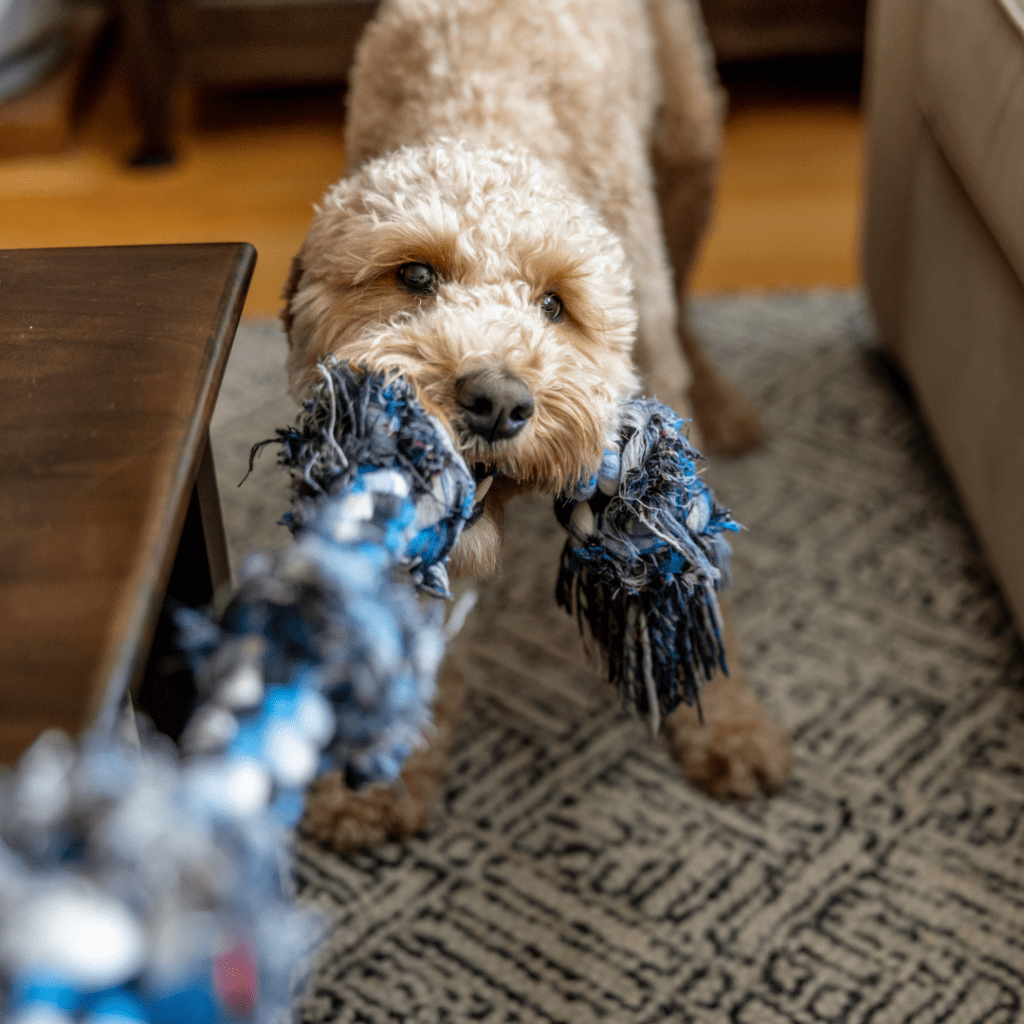
2. Tug of War

If your dog is not aggressive, A game of tug of war is a great way to burn off some energy and strengthen your bond with your pet. Use a sturdy rope or toy and let your pet pull and tug. Remember to let them win occasionally to keep the game fun and rewarding for them. Start and Stop the game on your terms to avoid bossy behavior.
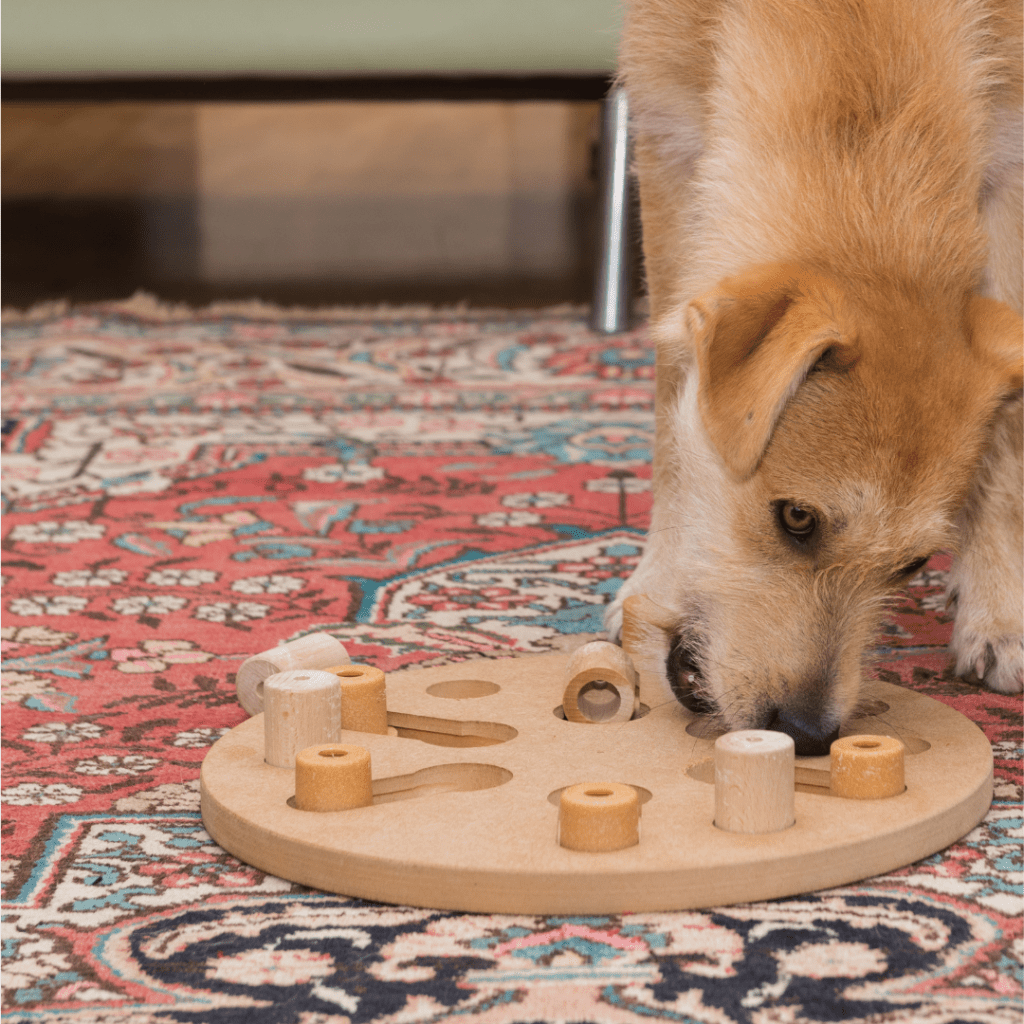
3. Puzzle Toys

Puzzle toys are excellent for mental stimulation. These toys challenge your pet to figure out how to get the treat inside. They come in various levels of difficulty, so you can find the perfect one for your pet’s skill level.

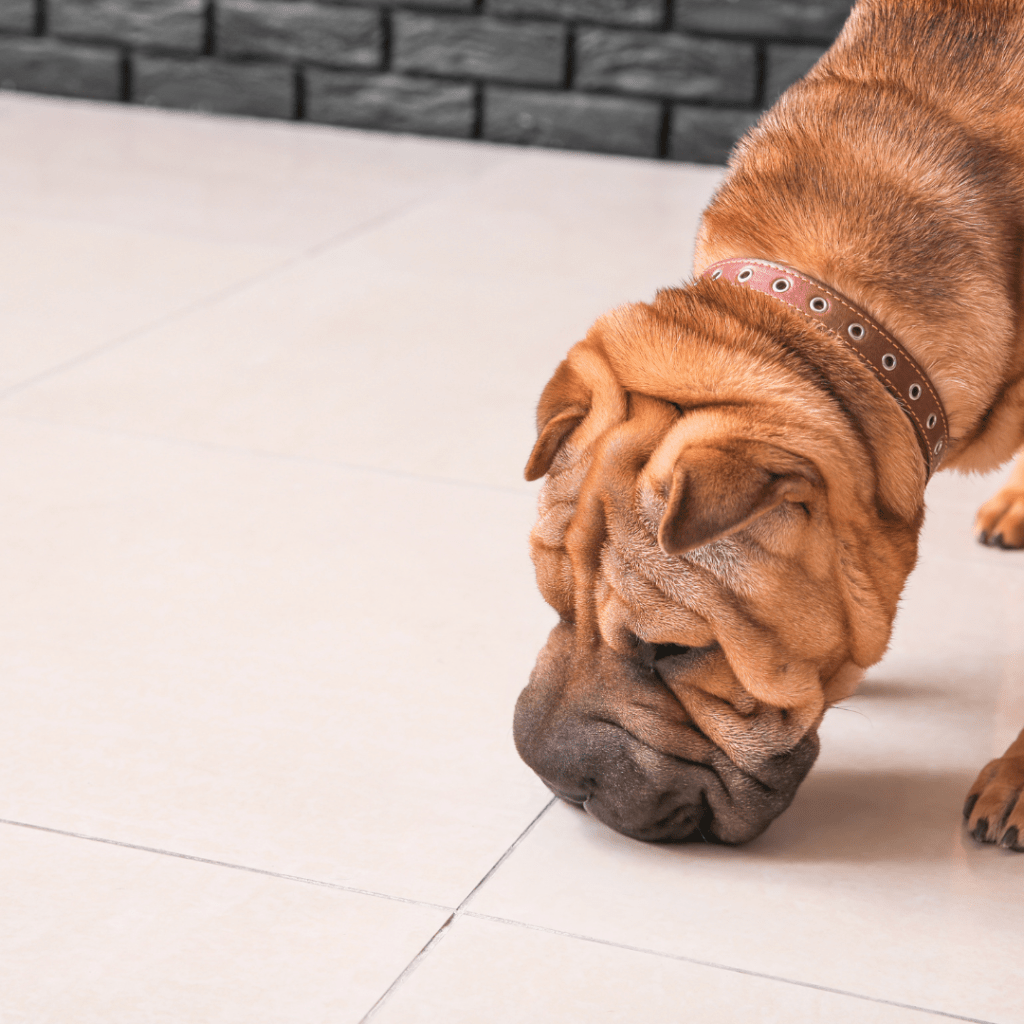
4. Scavenger Hunt

Create a scavenger hunt by hiding small treats around the house. Let your pet use their nose to find the hidden goodies. This game provides both mental and physical exercise and is a fun way to engage their natural hunting instincts.
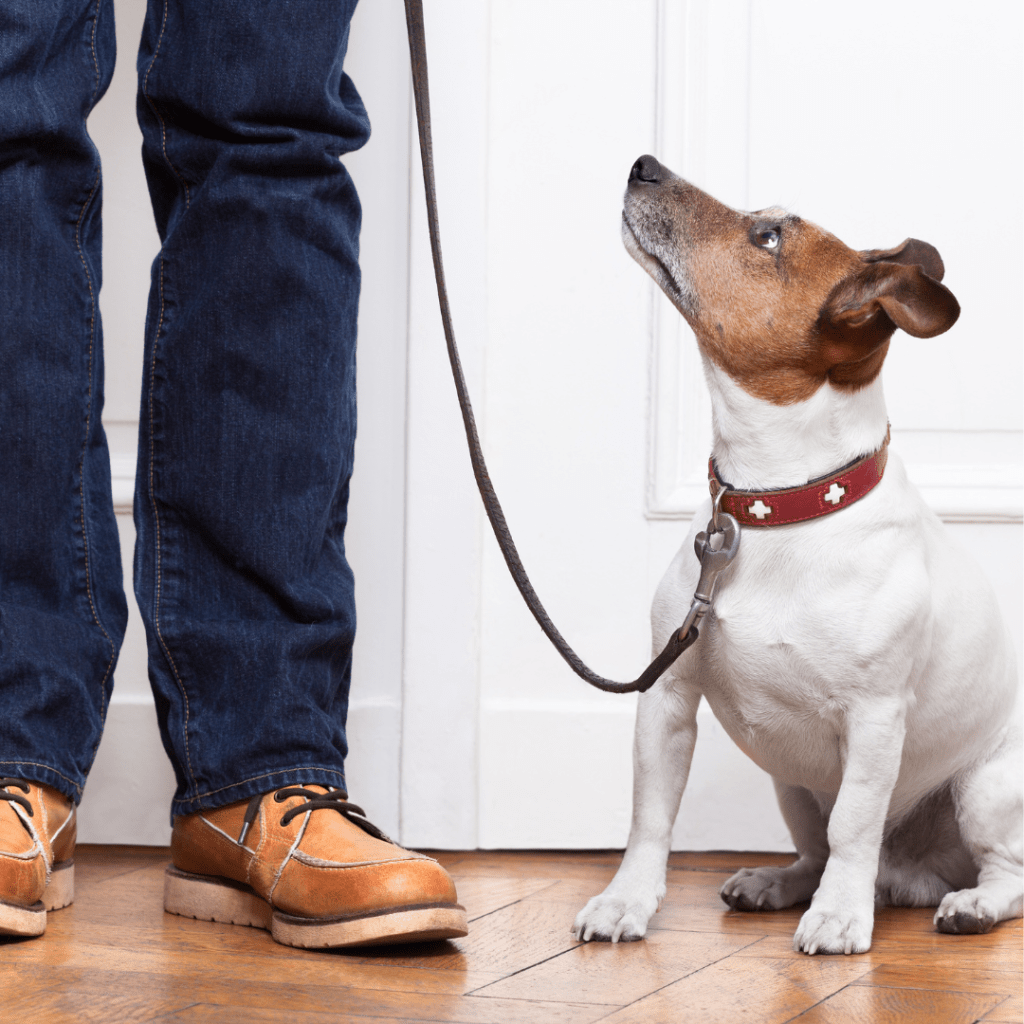
5. Training Sessions

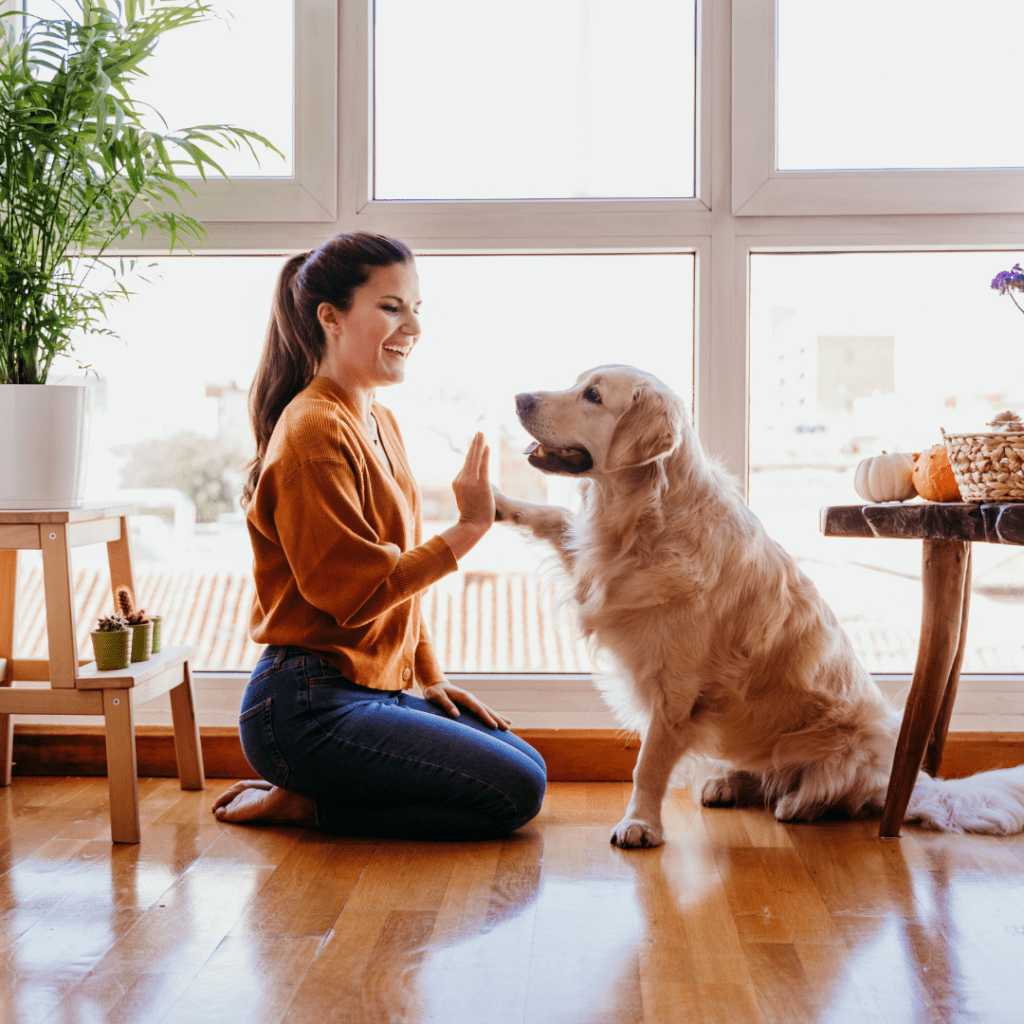
Take advantage of indoor time to practice obedience commands or teach your pet new tricks. Training sessions are mentally stimulating and can help reinforce good behavior. Plus, it’s a great way to bond with your pet.

6. Interactive Toys

Interactive toys, like treat-dispensing or ball launchers, can keep your pet entertained and engaged without much effort from you. These toys encourage your pet to play and think independently.

Ifetch Automatic Ball Launcher
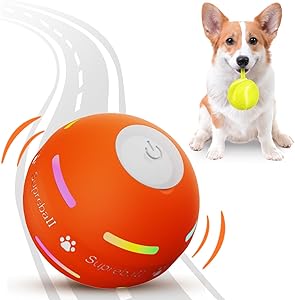
Petdroid Interactive Dog Toy

7. Obstacle Course

Set up a simple obstacle course using household items like chairs, blankets, and boxes. Guide your pet through the course with treats and praise. This activity provides both mental and physical challenges and is a lot of fun.

8. Bubble Chasing

Blow some pet-safe bubbles for your pet to chase and pop. This activity is great for cats and dogs alike and provides a fun and engaging way for them to get some exercise indoors.

9. Kong Toy

A Kong toy filled with peanut butter or another favorite treat can keep your pet busy for a while. Freezing the filled Kong makes the activity last even longer and provides a cool treat for your pet.

10. Simon Says

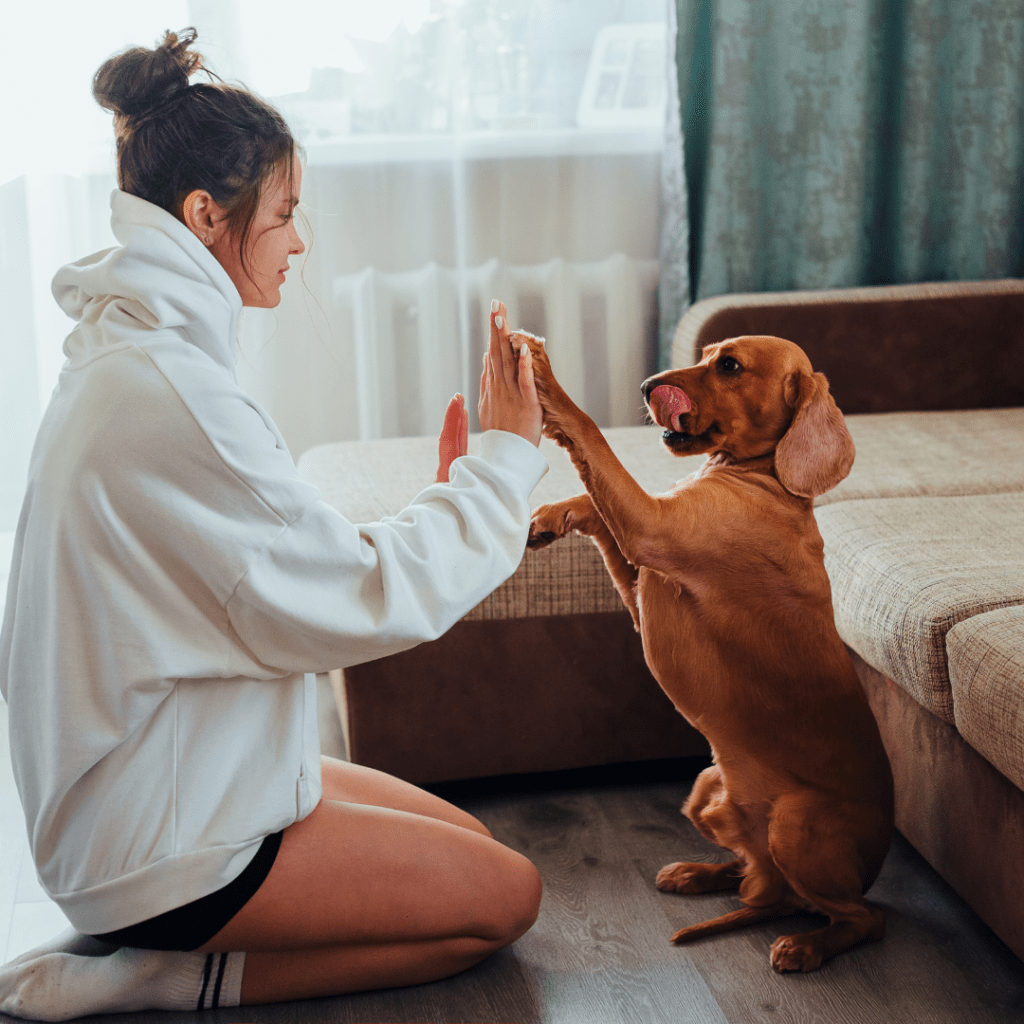
Play a version of Simon Says with your pet by giving them commands like sit, stay, lay down, and shake. Reward them for following the commands correctly. This game is a fun way to practice obedience and keep your pet mentally stimulated.
When it’s too hot to exercise your pet outside, these indoor activities can provide both mental and physical stimulation. Keeping your pet engaged and entertained is essential for their overall well-being. Remember, mental exercise is just as important as physical exercise, and these activities will help keep your pet happy and healthy even on the hottest days. Stay cool and have fun with your furry friend!

With over 20 years of extensive experience in animal care, Cindy Quigley is a seasoned expert dedicated to the well-being of pets. A multifaceted professional, Cindy is currently a professional pet sitter. She has worked as a veterinary technician, dog trainer, and dog groomer, bringing a wealth of knowledge and compassion to every role. For 15 years, she owned and operated Super Mutts Canine Retreat, a premier facility offering boarding, grooming, daycare, training, and boarding school services.

As the author of “Puppy Montessori,” a comprehensive puppy training program available on Amazon, Cindy shares invaluable insights and proven techniques to help pet owners raise well-behaved and happy puppies. Through this blog, she continues to provide expert advice, practical tips, and heartfelt stories to guide fellow pet lovers in nurturing their furry companions.

Let’s be Friends! Follow me on Social Media, I would love to see you there!
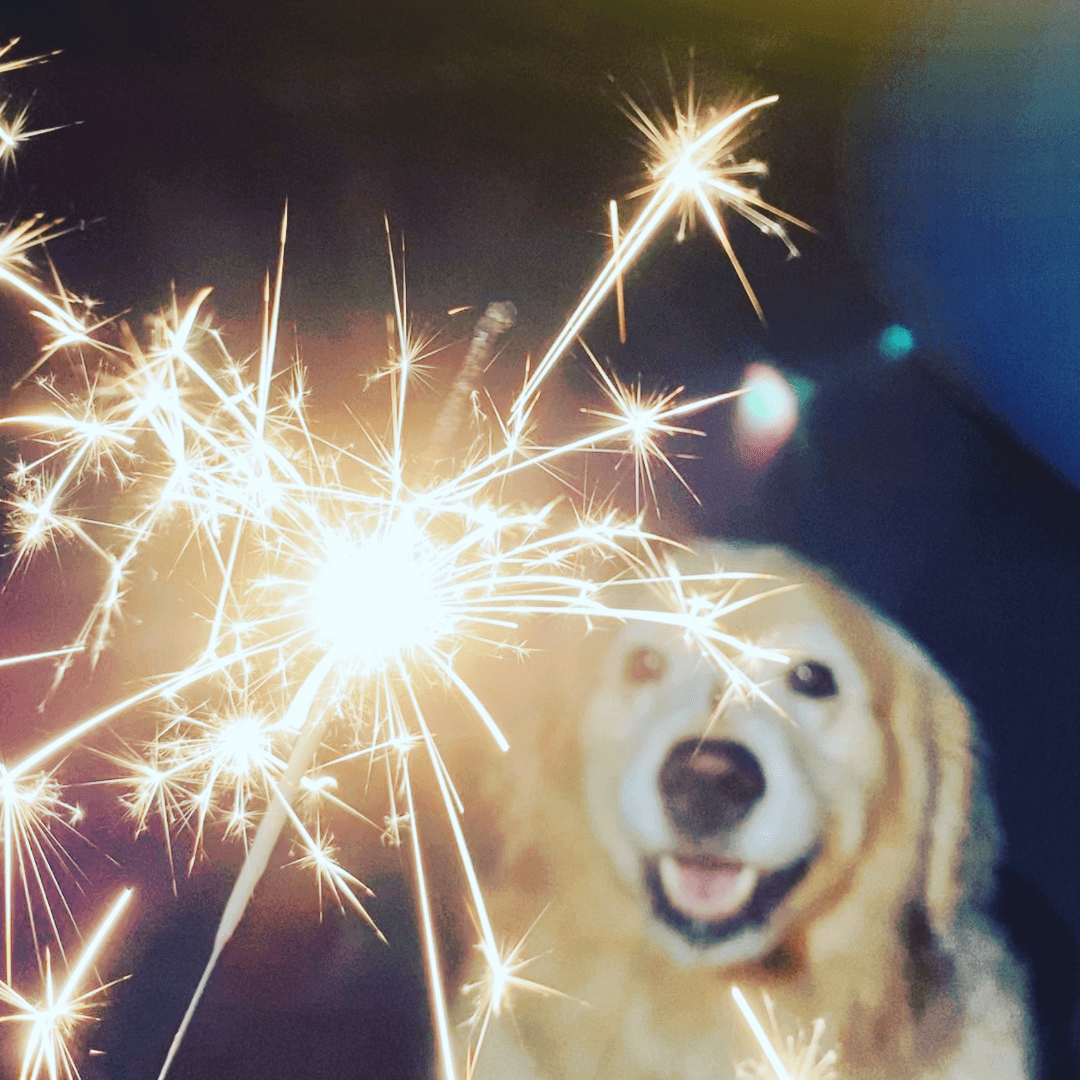
Keeping Your Pets Safe and Calm During Fireworks: Tips and Tricks

This post contains affiliate links which, if you purchase an item from, I will recieve a small compensation at no cost to you. This helps me continue to provide content I think will be beneficial to the readers.

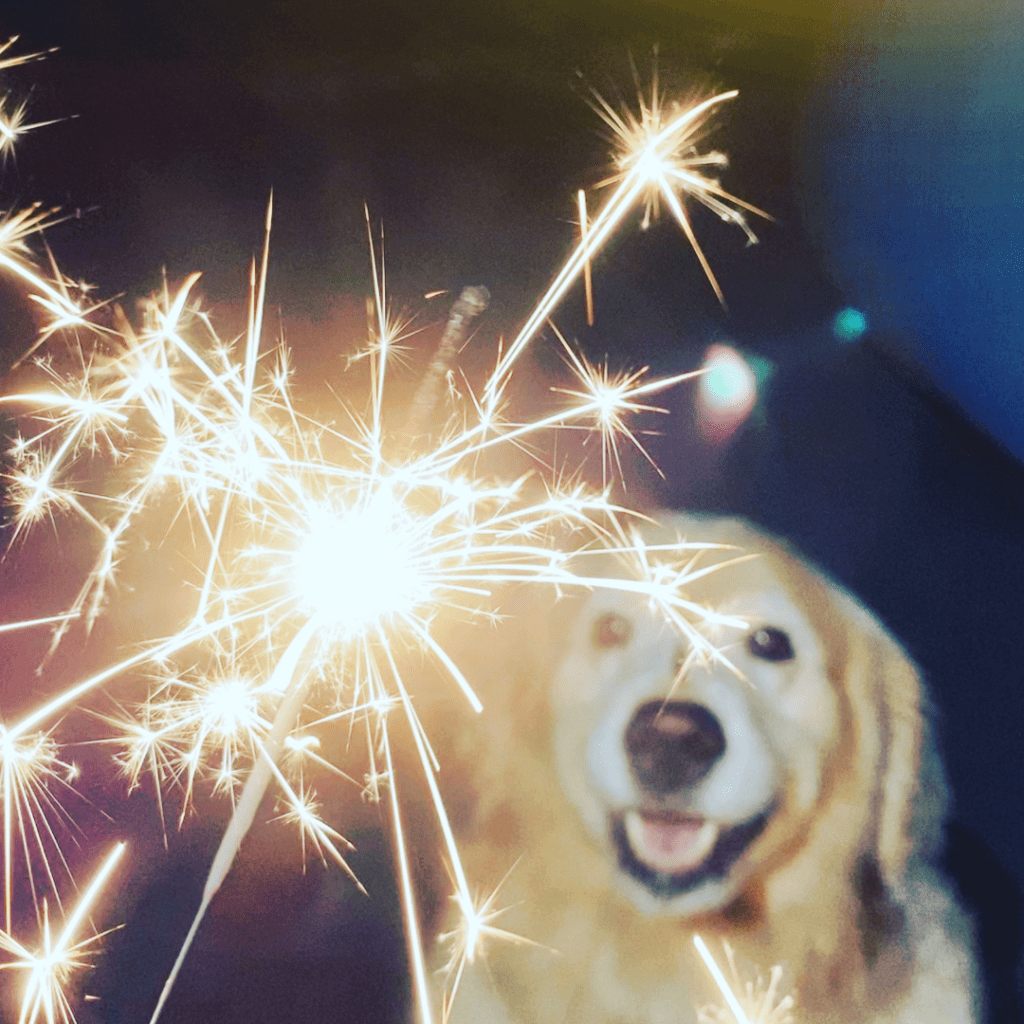
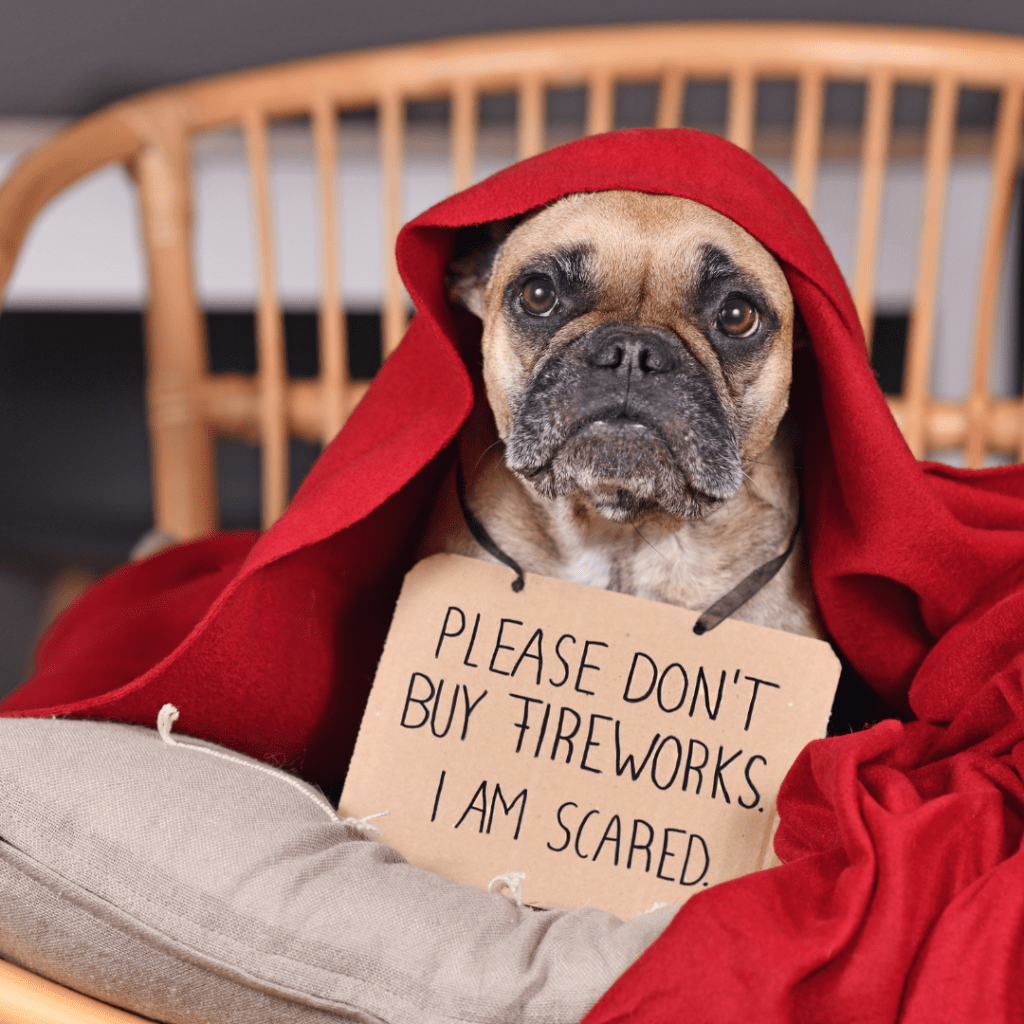
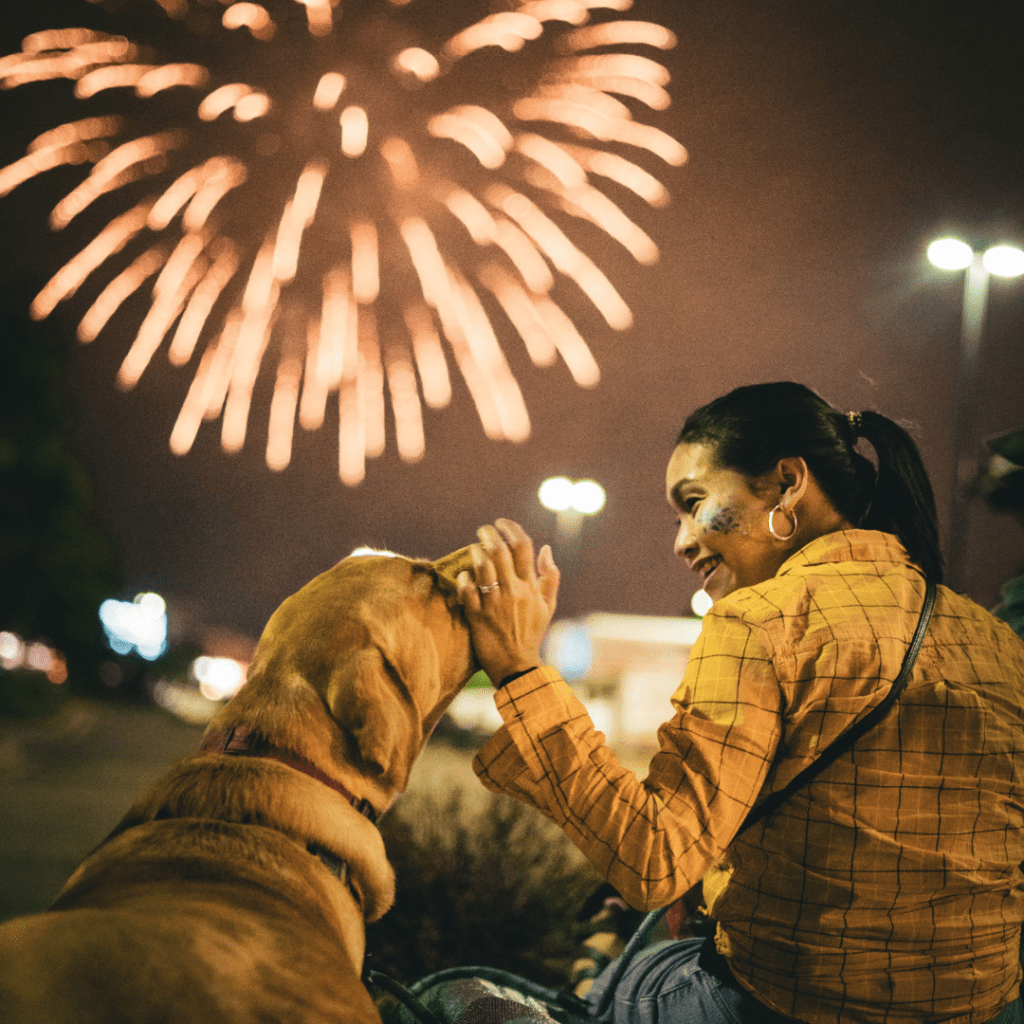
Fireworks displays are a highlight of many celebrations, from New Year’s Eve to Independence Day and various festivals in between. While these dazzling spectacles can be a source of joy for humans, they can be a source of terror for our pets. The loud noises, bright lights, and sudden bursts of activity can cause significant stress and anxiety in animals. Here’s how you can ensure your pets remain safe and calm during fireworks.

Understanding the Impact of Fireworks on Pets
1. Sensory Overload

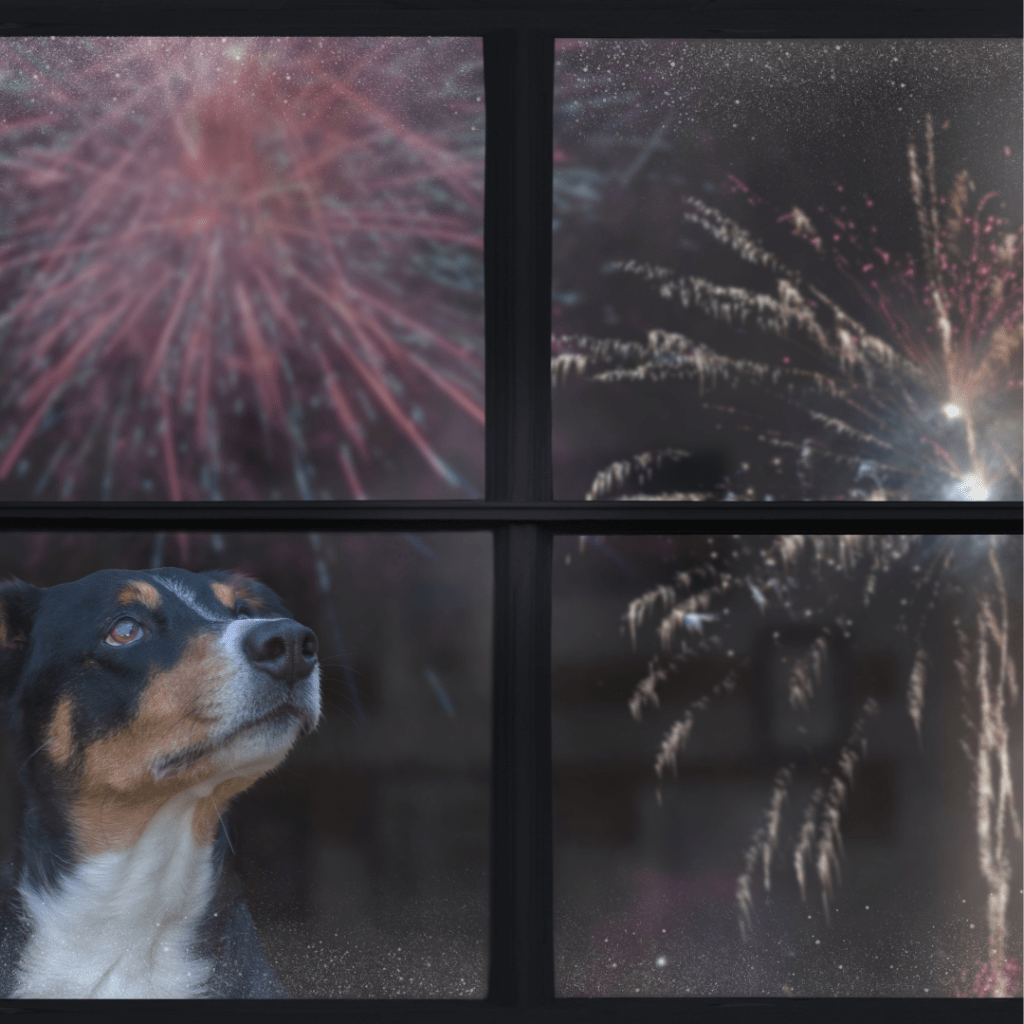
Pets have more acute hearing and sharper senses than humans, making fireworks overwhelming for them. The loud bangs and flashes can trigger their fight-or-flight response, leading to anxiety and panic.

2. Behavioral Changes

Scared pets might exhibit behaviors such as trembling, pacing, hiding, whining, or barking excessively. In extreme cases, some pets might try to escape, leading to the risk of injury or getting lost.

Preparing Your Pet for Fireworks
1. Create a Safe Space

Set up a quiet, comfortable area in your home where your pet can retreat during fireworks. Fill this space with their favorite toys, blankets, and items that have a familiar scent. An interior room with minimal windows can help reduce the noise and flashes.

2. Desensitization Training

In the weeks leading up to a known fireworks event, you can help your pet get used to the sound of fireworks gradually. Play recordings of fireworks at a low volume while providing positive reinforcement, like treats and affection. Gradually increase the volume over time.

3. Exercise Beforehand

Ensure your pet gets plenty of exercise during the day. A tired pet is more likely to be calm and less anxious. A long walk, playtime, or mental stimulation through training or puzzle toys can help expend their energy.

During the Fireworks Display
1. Stay Indoors

Keep your pets indoors during fireworks displays. Close windows and doors to minimize noise and flashing lights. Draw curtains or blinds to further reduce the visual impact.

2. Provide Distractions

Distract your pet with their favorite activities. Engage them with toys, play soft music, turn on the TV, or have the radio playing to help mask the sound of fireworks. Interactive toys or treat puzzles can keep them occupied and divert their attention from the noise.

3. Provide Leadership and Remain Calm

Pets can pick up on their owners’ emotions. Stay calm and behave normally to reassure your pet. Your calm and reassuring presence can make a significant difference in how your pet experiences fireworks. By providing leadership and remaining composed, you help your dog stay calm too.

Post-Fireworks Care
1. Check for Signs of Distress

After the fireworks are over, check your pet for any signs of distress or injury. Be particularly attentive to their behavior and physical condition.

2. Provide Comfort

Offer plenty of comfort and reassurance. Spend some quiet time together, offering gentle petting and speaking softly to help them relax and feel secure.

3. Consult a Veterinarian

If your pet shows extreme anxiety or has a severe reaction to fireworks, consult your veterinarian. They can provide advice or prescribe medication to help manage your pet’s anxiety.

Additional Tips for Different Types of Pets
  • ThunderShirts: These specially designed vests apply gentle pressure, which can have a calming effect on dogs.
  • Leash and Collar: If you need to take your dog outside during fireworks, ensure they are securely leashed and collared to prevent them from bolting.
Cats
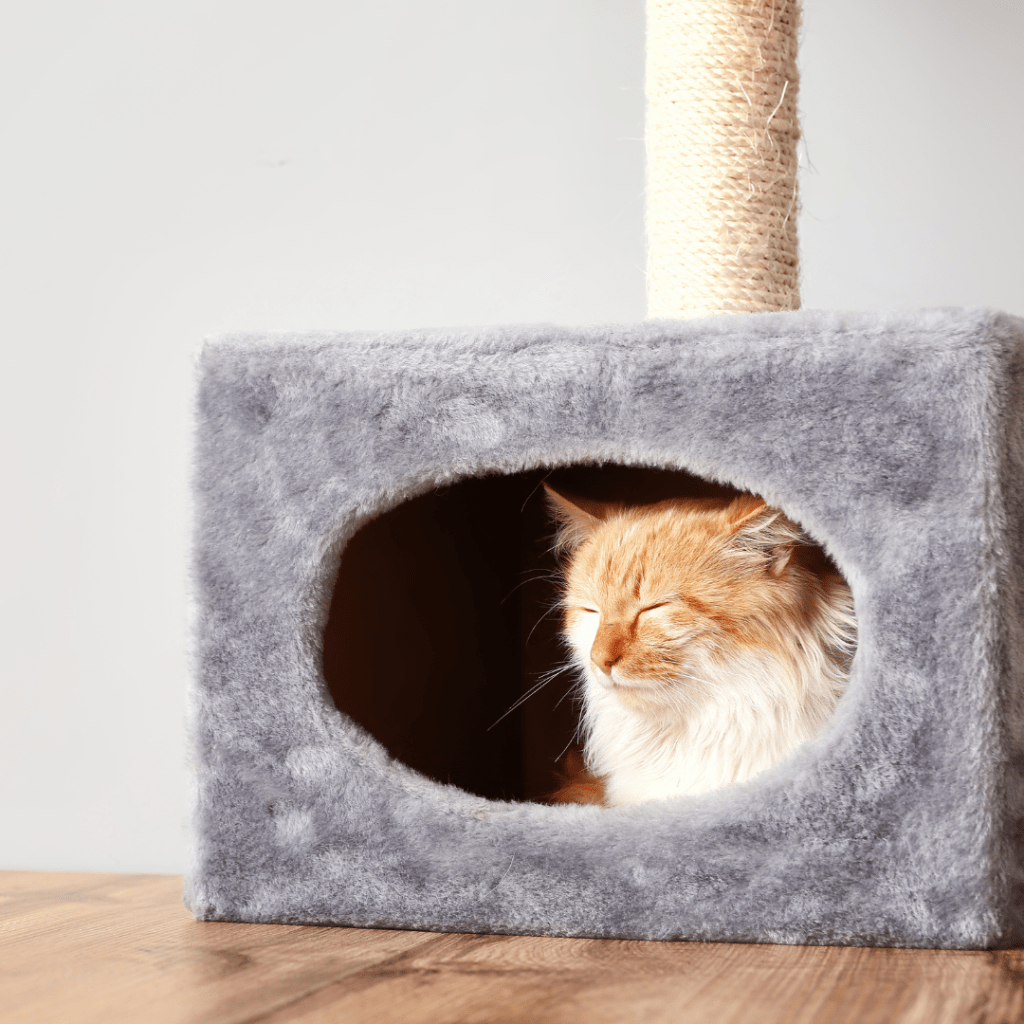
  • Hideaways: Cats often prefer to hide when frightened. Provide plenty of hideaway options, such as covered beds or boxes.
  • Pheromone Diffusers: These can create a calming environment by releasing synthetic pheromones that mimic those produced by nursing mother cats.

Small Animals

  • Soundproofing: Small animals like rabbits, guinea pigs, and birds can be very sensitive to noise. Consider placing their cages in a quiet room, away from windows, and covering the cages with a thick blanket to muffle sounds.

Fireworks can be a stressful experience for pets, but with the right preparation and care, you can help them stay safe and calm. By creating a secure environment, providing distractions, offering comfort, and staying calm yourself, you can ensure your pets feel protected during these noisy celebrations. Remember, your leadership and composed presence can make a significant difference in how your pet experiences fireworks. So, as you enjoy the festivities, take these steps to keep your furry friends safe and at ease.

With over 20 years of extensive experience in animal care, Cindy Quigley is a seasoned expert dedicated to the well-being of pets. A multifaceted professional, Cindy is currently a professional pet sitter. She has worked as a veterinary technician, dog trainer, and dog groomer, bringing a wealth of knowledge and compassion to every role. For 15 years, she owned and operated Super Mutts Canine Retreat, a premier facility offering boarding, grooming, daycare, training, and boarding school services.

As the author of “Puppy Montessori,” a comprehensive puppy training program available on Amazon, Cindy shares invaluable insights and proven techniques to help pet owners raise well-behaved and happy puppies. Through this blog, she continues to provide expert advice, practical tips, and heartfelt stories to guide fellow pet lovers in nurturing their furry companions.

Follow me!

https://Instagram.com/petsittingbycindy

https://Facebook.com/petsittercindy

Preparing Your Dog for a Pet Sitter: Ensuring a Smooth Transition

Leaving your dog with a pet sitter can be a daunting experience for both you and your furry friend. However, with proper preparation, you can ensure that your dog remains calm and comfortable in your absence. In this blog post, we’ll discuss the benefits of leaving your dog without nervous energy and provide practical tips on how to create a calm environment when you leave.

The Benefits of Leaving Calmly

Reducing Stress and Anxiety

When you leave your dog in a calm state, it significantly reduces their stress and anxiety. Dogs are incredibly perceptive and can pick up on your emotions. If you are anxious or stressed, your dog will likely mirror these feelings. A calm departure helps your dog feel secure and reduces the risk of anxiety-related behaviors such as barking, whining, or destructive chewing.

Easier Adjustment for the Pet Sitter

A calm dog is easier for the pet sitter to manage. When your dog is relaxed, they are more likely to follow their usual routine and be receptive to the sitter’s care. This makes the experience more enjoyable for both the sitter and your dog, ensuring that your dog receives the best possible care in your absence.

Positive Association with Your Absence

Creating a calm environment when you leave helps your dog form a positive association with your absence. If your dog remains relaxed, they are more likely to view your departure as a normal part of their routine rather than a distressing event. This positive association can make future separations easier for both of you.

Preparing Your Dog for a Pet Sitter

Gradual Acclimation

Introduce your dog to the pet sitter gradually. Arrange a few short visits before the actual sitting period so your dog can get used to the new person. Allow the sitter to interact with your dog in your presence to build trust and familiarity. This gradual acclimation helps your dog feel more comfortable when the sitter is alone with them.

Maintain a Consistent Routine

Dogs thrive on routine. Ensure that the pet sitter follows your dog’s regular schedule, including feeding times, walks, and playtime. Consistency helps your dog feel secure and reduces anxiety. Provide the sitter with detailed instructions about your dog’s routine, preferences, and any specific needs they might have.

Create a Comfortable Environment

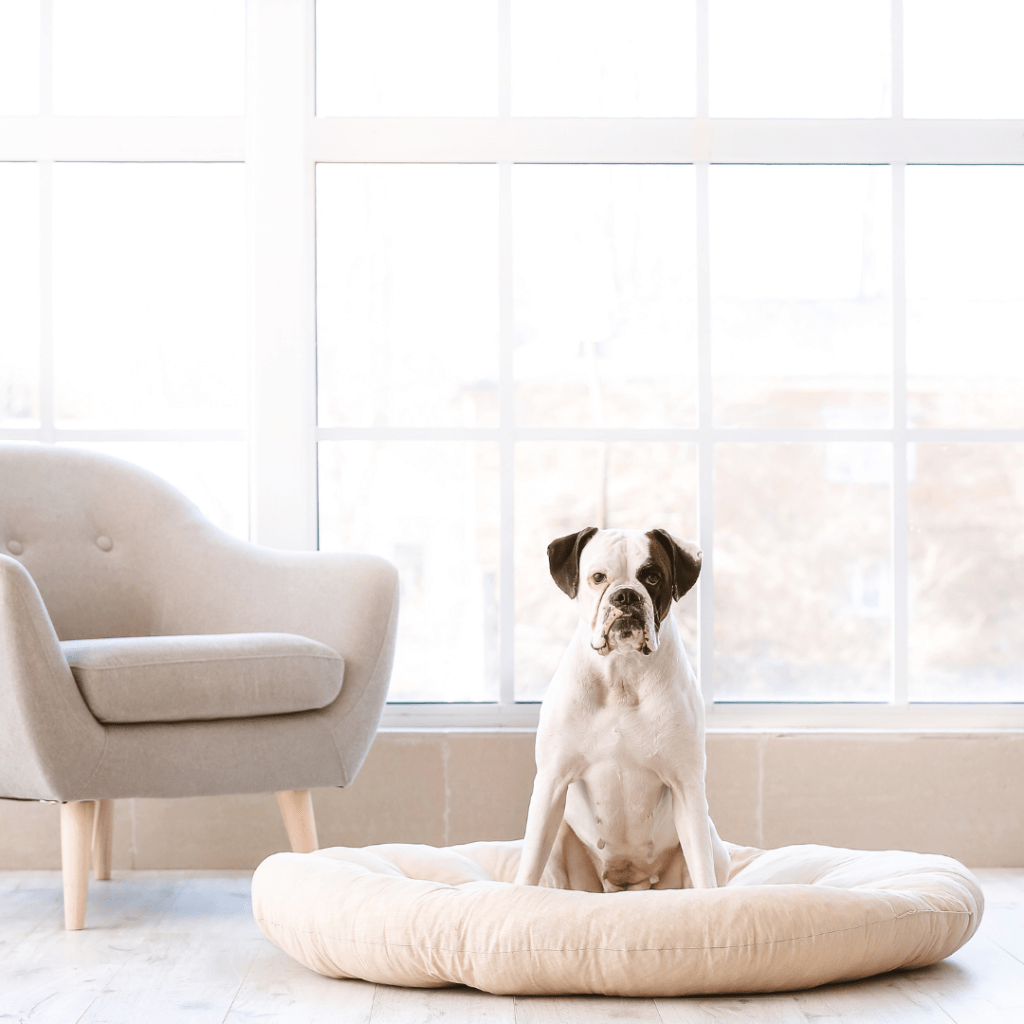
Make sure your dog has a comfortable and familiar environment when you leave. Set up their favorite bed, toys, and blankets in a quiet area of the house. Familiar scents and objects can provide comfort and reassurance, helping your dog stay calm in your absence.

Practice Calm Departures

When you leave, avoid making a big fuss. Lengthy goodbyes and excessive attention can create nervous energy. Instead, practice calm departures by simply giving your dog a treat or toy and leaving without much fanfare. This teaches your dog that your departure is a normal, non-stressful event.

Use Positive Reinforcement

Reinforce calm behavior with positive reinforcement. Reward your dog with treats and praise when they remain calm as you prepare to leave. This encourages them to associate your departure with positive experiences, reducing anxiety over time.

Provide Mental Stimulation

Ensure your dog has plenty of mental stimulation during your absence. Interactive toys, puzzle feeders, and chew toys can keep them occupied and reduce boredom. A mentally stimulated dog is less likely to develop anxiety or engage in destructive behaviors.

Monitor and Communicate

Stay in touch with the pet sitter to monitor how your dog is adjusting. Regular updates and photos can provide peace of mind and allow you to address any concerns promptly. Communication helps ensure that your dog is receiving the care they need and that any issues are resolved quickly.

Conclusion

Preparing your dog for a pet sitter requires thoughtful planning and consideration, but the effort is well worth it. By leaving your dog in a calm state, you reduce their stress and anxiety, create positive associations with your absence, and ensure a smoother experience for the pet sitter. Gradual acclimation, maintaining a consistent routine, creating a comfortable environment, practicing calm departures, using positive reinforcement, providing mental stimulation, and staying in touch with the sitter are all crucial steps in preparing your dog for a pet sitter. With these strategies, you can ensure that your dog remains happy and relaxed, even when you’re not there.

Cindy Quigley is the dedicated owner of Pet Sitting by Cindy, bringing 23 years of professional pet care experience to her clients. Her lifelong passion for animals drives her commitment to providing exceptional care, ensuring every pet feels loved and secure in her care. Cindy’s expertise and genuine love for animals make her a trusted and reliable choice for pet sitting services in the Tulsa Oklahoma area.

Follow me!

https://Instagram.com/petsittingbycindy

https://Facebook.com/petsittercindy

The Essential Role of Walking in Your Dog’s Mental Well-being

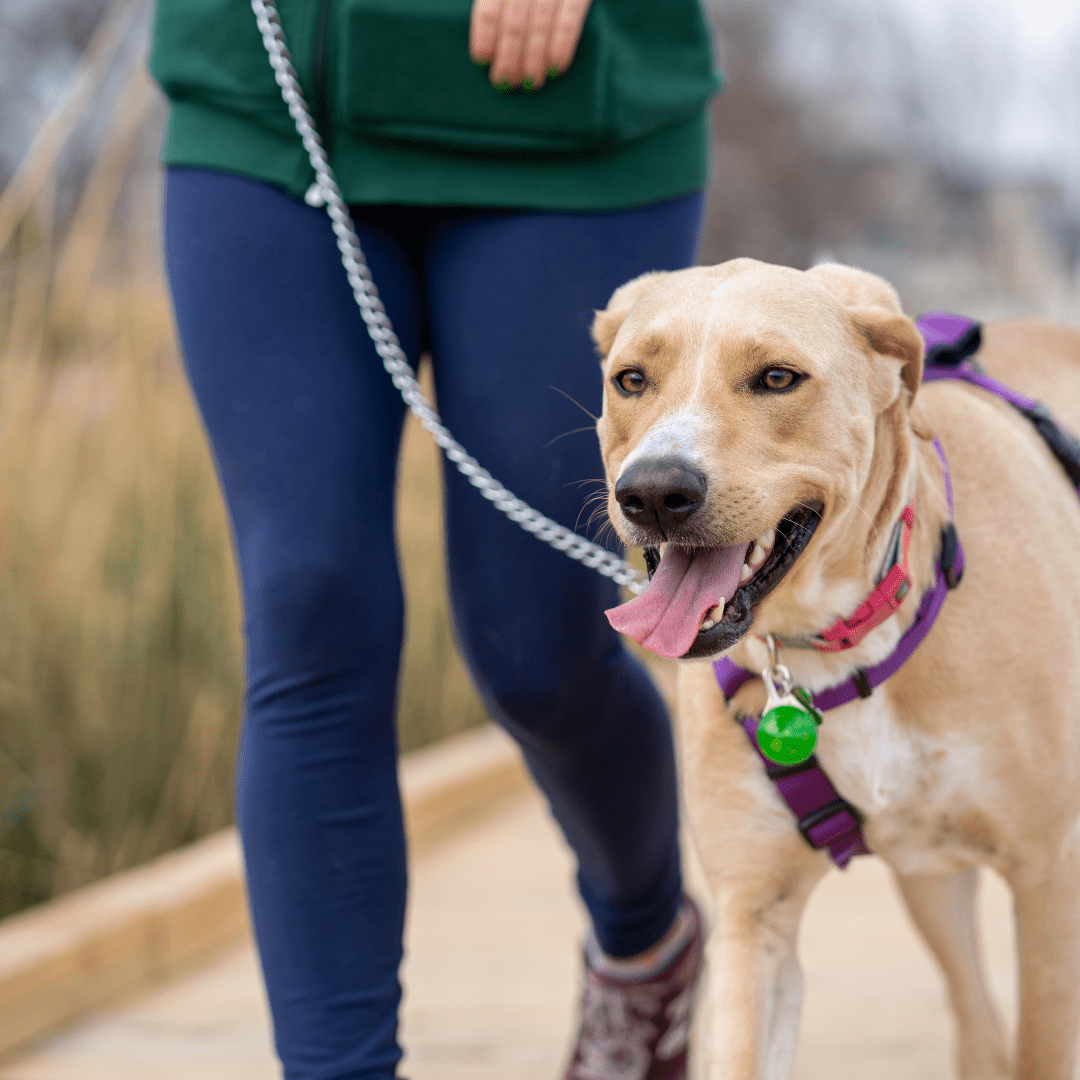
Walking your dog might seem like a simple routine, but it plays a crucial role in maintaining their mental well-being. It’s more than just a physical exercise—it’s a mental and emotional necessity that contributes significantly to your dog’s happiness and overall health. Let’s explore why regular walks are essential for your dog’s mental well-being.

Mental Stimulation

Exploring New Environments

Dogs are naturally curious creatures with an innate desire to explore their surroundings. A walk provides a wealth of new scents, sights, and sounds that stimulate their minds. This sensory enrichment is vital for their mental health, keeping them engaged and preventing boredom.

Preventing Boredom

Boredom in dogs can lead to destructive behaviors such as chewing, digging, and excessive barking. Regular walks offer a variety of stimuli that keep your dog’s mind occupied and reduce the likelihood of these behaviors. An engaged dog is a happy dog.

Socialization

Interacting with Other Dogs

Walking your dog exposes them to other dogs, which is crucial for their social development. Regular interaction with other dogs helps them learn appropriate social behaviors, reducing fear and aggression. Well-socialized dogs are generally more confident and well-adjusted.

Meeting New People

Encounters with different people during walks also enhance your dog’s social skills. These interactions teach your dog to be comfortable around strangers and can reduce anxiety and fear in new situations. A well-socialized dog is typically more relaxed and friendly.

Bonding and Security

Strengthening the Human-Dog Bond

Walks are an excellent opportunity for you to bond with your dog. Spending quality time together without the distractions of daily life strengthens your relationship and builds trust. This bond is crucial for your dog’s sense of security and overall happiness.

Pack Mentality

Dogs are pack animals and walking with you reinforces their sense of belonging to the pack. This shared activity makes them feel secure and valued, which is essential for their mental well-being. A dog that feels secure is less likely to develop anxiety-related behaviors.

Alleviating Anxiety and Stress

Routine and Predictability

Dogs thrive on routine, and regular walks provide a predictable structure that can reduce anxiety. Knowing when to expect a walk can help your dog feel more secure and less stressed. Consistency is key to a happy and well-adjusted dog.

Natural Stress Relief

Physical activity, such as walking, naturally reduces stress and anxiety by releasing endorphins. These “feel-good” hormones improve your dog’s mood and overall mental state. A tired dog is a relaxed dog, less prone to anxiety and behavioral issues.

Behavioral Benefits

Reducing Hyperactivity

Regular walks help manage your dog’s energy levels, making them less hyperactive at home. This can lead to better behavior and a calmer household environment. A well-exercised dog is more likely to rest quietly and exhibit fewer behavioral problems.

Teaching Good Behavior

Walking provides an opportunity to practice obedience and reinforce good behavior. Commands like “sit,” “stay,” and “heel” can be practiced during walks, contributing to your dog’s mental discipline and reinforcing positive behaviors.

Tips for Enhancing Your Dog’s Walking Experience

Consistent Routine

Establish a regular walking schedule that fits into both your lives. Dogs thrive on routine, and having a set time for walks can help them feel more secure and less anxious.

Variety and Enrichment

To keep things interesting, vary your walking routes and include different environments like parks, trails, and neighborhoods. New experiences provide mental stimulation and keep your dog engaged and excited about their walks.

Safe and Comfortable Gear

Ensure your dog has a comfortable collar or harness and a sturdy leash. Depending on the weather, consider additional gear like a raincoat or reflective accessories for evening walks. Safety and comfort are paramount for an enjoyable walking experience.

Conclusion

Walking your dog is a simple yet profoundly beneficial activity that is essential for their mental well-being. It provides mental stimulation, socialization, bonding opportunities, and stress relief, all of which contribute to a happier, healthier dog. So, grab that leash, step outside, and embark on a journey that enriches both of your lives. Happy walking!

With over 20 years of extensive experience in animal care, Cindy Quigley is a seasoned expert dedicated to the well-being of pets. A multifaceted professional, Cindy is currently a professional pet sitter. She has worked as a veterinary technician, dog trainer, and dog groomer, bringing a wealth of knowledge and compassion to every role. For 15 years, she owned and operated Super Mutts Canine Retreat, a premier facility offering boarding, grooming, daycare, training, and boarding school services.

As the author of “Puppy Montessori,” a comprehensive puppy training program available on Amazon, Cindy shares invaluable insights and proven techniques to help pet owners raise well-behaved and happy puppies. Through this blog, she continues to provide expert advice, practical tips, and heartfelt stories to guide fellow pet lovers in nurturing their furry companions.

Discover Dog Friendly Places in Tulsa

Discover Dog-Friendly Spots in Tulsa, Oklahoma

Are you a dog owner in Tulsa, Oklahoma, looking for the best spots to enjoy with your furry friend? You’re in luck! Tulsa boasts a variety of dog-friendly places where you and your pup can explore, exercise, and relax together. Whether you’re in the mood for a scenic hike, a leisurely stroll in a park, or a cozy brewery visit, Tulsa has something for everyone. Here are some top dog-friendly destinations in the city:

1. Gathering Place

Gathering Place is a must-visit for any dog owner in Tulsa. This expansive park is not only beautiful but also dog-friendly. With plenty of open spaces, walking trails, and scenic views, it’s the perfect spot for a day out with your pup. The park offers a variety of activities and events, so there’s always something new to discover.

2. River Parks Trail

For a scenic walk along the Arkansas River, head to the River Parks Trail. This extensive trail system offers several miles of walking paths where you and your dog can enjoy the fresh air and beautiful river views. It’s a great place for a leisurely stroll or a more vigorous walk, depending on your energy level.

3. Biscuit Acres Dog Park

Biscuit Acres Dog Park, located in Hunter Park, is a paradise for dogs. This dedicated dog park features separate areas for large and small dogs, agility equipment, and plenty of room to run and play. It’s a fantastic spot for your dog to socialize and burn off some energy.

4. Turkey Mountain Urban Wilderness Area

If you’re in the mood for a hike, Turkey Mountain Urban Wilderness Area is the place to go. This area offers a variety of hiking and biking trails where dogs are welcome on a leash. The trails range from easy to challenging, so you can choose the right adventure for you and your pup.

5. LaFortune Park

LaFortune Park is another great spot for dog owners. This large park offers walking trails, picnic areas, and even a golf course. Dogs are allowed on leashes, making it a perfect place for a relaxing walk or a fun day out with the family.

6. Cherry Street Farmers Market

Looking for a pet-friendly market? Check out Cherry Street Farmers Market. This lively market features a variety of local vendors and is open to dogs. It’s a great place to pick up fresh produce and artisanal goods while enjoying the vibrant atmosphere with your furry friend.

7. Cabin Boys Brewery

For dog owners who enjoy craft beer, Cabin Boys Brewery is a must-visit. This dog-friendly brewery offers a laid-back atmosphere where you can enjoy a pint while your dog relaxes by your side. It’s a perfect spot to unwind after a long day.

8. Heirloom Rustic Ales

Another great brewery to visit with your pup is Heirloom Rustic Ales. Known for its pet-friendly environment, this brewery is an ideal place to enjoy some locally brewed beer with your dog in tow. The relaxed vibe makes it a favorite among pet owners.

9. Philbrook Museum of Art Gardens

While the museum itself does not allow dogs, the Philbrook Museum of Art Gardens are dog-friendly and perfect for a peaceful stroll. The beautifully landscaped gardens provide a serene environment where you and your dog can enjoy a quiet afternoon together. Situated next to Woodward Park, making it a great day trip for you and your furry friend.

Final Tips

Always check the specific rules and regulations of each location before visiting, as some places may have leash requirements or restricted areas for pets. Remember to bring water, waste bags, and any other essentials to ensure a pleasant outing for both you and your dog.

Tulsa is a fantastic city for dog owners, offering a variety of places to explore and enjoy with your furry friend. So grab your leash and head out to discover all the dog-friendly adventures that Tulsa has to offer!

With over 20 years of extensive experience in animal care, Cindy Quigley is a seasoned expert dedicated to the well-being of pets. A multifaceted professional, Cindy is currently a professional pet sitter. She has worked as a veterinary technician, dog trainer, and dog groomer, bringing a wealth of knowledge and compassion to every role. For 15 years, she owned and operated Super Mutts Canine Retreat, a premier facility offering boarding, grooming, daycare, training, and boarding school services.

As the author of “Puppy Montessori,” a comprehensive puppy training program available on Amazon, Cindy shares invaluable insights and proven techniques to help pet owners raise well-behaved and happy puppies. Through this blog, she continues to provide expert advice, practical tips, and heartfelt stories to guide fellow pet lovers in nurturing their furry companions.

Design a site like this with WordPress.com
Get started